IE3 / IE4 Standards
How Electric Motors Work
Electric motors convert electrical energy into mechanical energy using electromagnetism. In an induction motor (the most common industrial type), a rotating magnetic field in the stator induces a current in the rotor, creating torque.
- Stator: The stationary part containing wire windings that generate magnetic fields.
- Rotor: The rotating part that drives the shaft.
- Cooling fan: Ensures maintaining optimal operating temperature.

Internal components of an Induction Motor
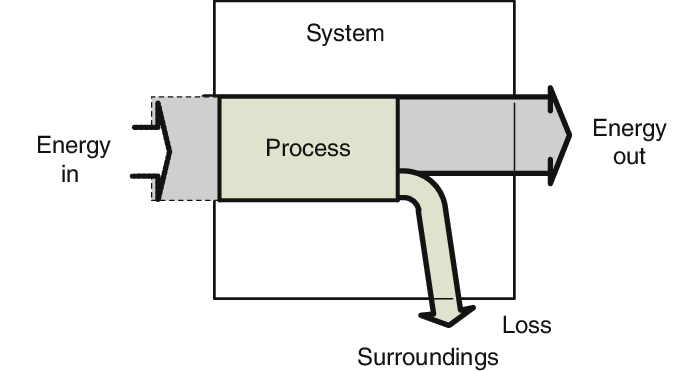
Energy Conversion Process
Why Efficiency Matters
Motors consume over 45% of total global electricity. Switching to High-Efficiency (IE3) or Premium Efficiency (IE4) motors can significantly reduce operational costs and carbon footprint.
- Lower Heat Loss: Higher quality materials reduce resistance (copper loss) and magnetic fatigue (iron loss).
- Longevity: Cooler running motors have longer insulation life and bearing durability.
- Cost Savings: The initial investment is often recovered within months through lower electricity bills.